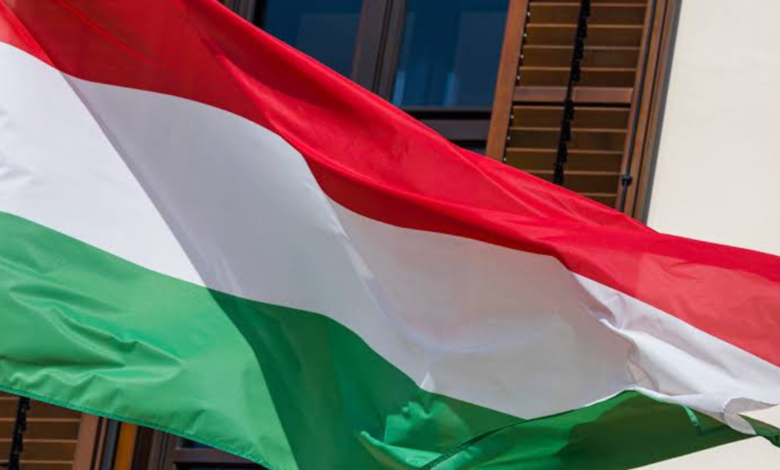
The green white red flag is a prominent tricolor in the realm of national flags, representing 13 distinct countries worldwide. This unique color combination carries deep cultural and historical significance for each nation it represents, and offers a glimpse into their national identities. From the vertical stripes of Italy to the symbolic designs of Iran, these flags serve as powerful symbols of heritage and unity green white red flag.

Italy: A Recognizable Green White Red Flag
Italy’s flag is perhaps the most recognized among the green white red flags. Comprising vertical stripes of green, white, and red, it symbolizes hope, faith, and charity, respectively. The Italian flag, adopted in 1946, is steeped in historical significance and national pride, reflecting the country’s rich cultural heritage.
Mexico: Emblematic and Colorful
The national flag of Mexico is a vertical tricolor of green, white, and red featuring the national coat of arms in the center of the white stripe. This emblem incorporates an eagle holding a serpent, which is perched on a prickly pear cactus. The green represents hope, the white symbolizes unity, and the red stands for the blood of national heroes.
Iran: Symbolism Embedded in Flag Design
Iran’s flag incorporates a green white red color scheme with horizontal stripes. The emblem in the center of the white stripe is a stylized representation of the name of Allah. The green represents Islam, the white signifies peace, and the red reflects courage.
Hungary: Historical and Cultural Representation
Hungary’s flag consists of three horizontal stripes of red, white, and green. The red symbolizes strength, the white stands for faithfulness, and the green represents hope. This flag has been in use since 1957, reflecting Hungary’s national identity and cultural values.
Bulgaria: A Unique Tricolor Variation
Bulgaria’s flag features horizontal stripes of white, green, and red. The white signifies peace, the green symbolizes the agricultural wealth of the country, and the red represents the struggle for independence. This flag design has been a symbol of national unity since 1879.
Algeria: Emblematic and Rich in Meaning
The flag of Algeria presents a bifurcated design with green and white halves. The green represents Islam, while the white symbolizes purity and peace. A red crescent and star are central elements, symbolizing the nation’s connection to its Islamic heritage.
Lebanon: Incorporating Symbols and Colors
Lebanon’s flag consists of horizontal bands of red, white, and red with a green cedar tree at the center. The red represents the sacrifices made for liberation, the white symbolizes peace, and the cedar tree is a symbol of strength and eternity.
Belarus: A Distinctive Green White Red Flag
The flag of Belarus features red and green horizontal stripes with a vertical strip of traditional Belarusian ornamentation at the hoist. The red symbolizes the country’s past, while the green represents the country’s forests and fields, reflecting Belarus’ cultural and natural heritage.
Burundi: Symbolism and National Unity
Burundi’s flag features a white saltire that divides it into alternating red and green areas, with a white disk at the center containing three red six-pointed stars. The stars symbolize the country’s national motto: Unity, Work, and Progress.
Abkhazia: Regional Distinction in Design
The flag of Abkhazia features a green and white stripe pattern alongside a red canton with a white open hand and seven white stars. This design represents peace, openness, and the region’s aspirations for recognition and sovereignty.
Basque Country: Cultural Significance in a Tricolor
The flag of the Basque Country, known as the Ikurriña, features a red field with a green saltire and a white cross. The red represents the Basque people, the green symbolizes independence, and the white stands for Catholicism.
Boyacá Department: A Symbol of Colombian Heritage
The flag of the Boyacá Department in Colombia includes horizontal stripes of white, green, and red. Each color holds significance: white for purity, green for hope and fertility, and red for valor and freedom.
Flag Symbolism and Cultural Significance
The green white red flag is more than just a set of colors; it is a powerful representation of national identity and cultural significance. While each country imbues its flag with unique meanings, common themes such as hope, peace, and courage resonate across boundaries. These flags serve not only as symbols of sovereignty but also as a testament to the historical narratives and values that shape each nation.
Frequently Asked Questions
Which countries have a green white red flag?
Thirteen countries have a green white red flag, including Italy, Mexico, Iran, Hungary, Bulgaria, Algeria, Lebanon, Belarus, Burundi, Abkhazia, Basque Country, and Boyacá Department.
What does the green color symbolize in these flags?
Green in these flags generally symbolizes hope, fertility, the Islamic faith in some countries, and the agricultural wealth of a nation.
Why do some flags have symbols like a cedar tree or crescent?
Symbols like the cedar tree in Lebanon and the crescent in Algeria’s flag represent cultural, religious, or historical elements important to a nation’s identity.
How does the flag of Italy differ from Mexico’s?
Italy’s flag consists of three vertical stripes of green, white, and red, while Mexico’s flag includes the same colors with the national coat of arms in the center of the white stripe.
What is the significance of the red color in these flags?
The red color typically symbolizes bravery, the blood of heroes, or sacrifice, reflecting a nation’s struggles and history.
Are there any other color variations for these flags?
While the green white red color scheme is standard, some flags incorporate additional elements or symbols, like the gold lion on the Iranian flag in its pre-revolutionary version.
The green white red flag serves as a vivid representation of national pride and identity across various countries. Each flag tells a story through its colors and symbols, reflecting the unique cultural and historical contexts of the nations it represents. These tricolor flags continue to be powerful emblems of heritage and unity, connecting people to their roots and shared histories green white red flag.
You May Also Read: betterthisfacts information by betterthisworld