Cuyahoga County Probate Court: Complete Guide to Probate Services, Procedures, Records, and Legal Requirements

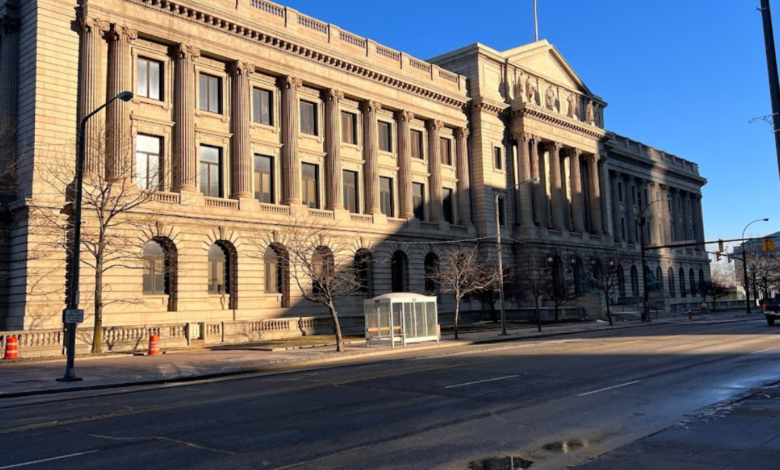
Understanding Cuyahoga County Probate Court and Its Role
Cuyahoga County Probate Court plays an important role in managing legal matters connected with estates, wills, trusts, guardianships, and other personal legal issues in Ohio. When someone passes away, the court helps ensure that their property, financial responsibilities, and personal wishes are handled according to state laws. The probate process provides a structured legal system that protects heirs, beneficiaries, creditors, and other interested parties. Understanding how the court works can make the process easier for families who may already be dealing with emotional and financial challenges Cuyahoga County Probate Court.


The main responsibility of the Cuyahoga County Probate Court is to oversee cases where legal approval or supervision is required. This includes reviewing wills, appointing estate representatives, resolving disagreements between heirs, and ensuring that assets are distributed properly. The court also handles guardianship matters involving minors and adults who may need assistance managing personal or financial decisions. By providing legal oversight, the court helps prevent misuse of assets and protects the interests of individuals who cannot represent themselves.
Probate courts are often misunderstood because many people believe they only deal with wills after someone dies. However, the Cuyahoga County Probate Court manages a wide range of legal services beyond traditional estate cases. It supports families through important life events such as name changes, guardianship appointments, and trust administration. The court follows specific rules and procedures to ensure fairness and transparency for everyone involved.
Cuyahoga County Probate Court For individuals serving as executors or administrators, understanding the responsibilities connected with probate is essential. They must complete paperwork, provide accurate information about assets, communicate with beneficiaries, and follow court instructions. Working with the Cuyahoga County Probate Court requires attention to detail because even small mistakes can create delays. Proper preparation and knowledge of the process can help make probate administration more efficient and less stressful.
Services Offered by Cuyahoga County Probate Court
The Cuyahoga County Probate Court provides several important services designed to handle legal matters involving estates and personal rights. One of the most common services is estate administration, which begins after a person dies. During this process, the court verifies documents, appoints an executor or administrator, oversees financial responsibilities, and ensures that remaining assets are distributed correctly. Estate administration helps create an organised process for handling property, debts, taxes, and inheritance matters.
Cuyahoga County Probate Court Another major service provided by the court involves wills. A will allows a person to explain how they want their property managed after death. The probate court reviews submitted wills to determine whether they meet legal requirements and whether they accurately represent the deceased person’s intentions. If disputes occur regarding the validity of a will, the court may review evidence and make legal decisions to resolve conflicts between interested parties.
Guardianship cases are another important area handled by the Cuyahoga County Probate Court. Guardianships may be necessary when a minor child or an adult cannot manage personal or financial matters independently. The court carefully reviews guardianship requests to determine whether an appointment is appropriate. Once approved, guardians have specific responsibilities and must often provide updates to the court to show that they are acting in the best interests of the person under their care.
The court also handles trust-related matters and other specialised legal services. Trust administration can involve managing assets placed into a trust and ensuring they are used according to established instructions. Additionally, the court assists with legal name changes and other authorised proceedings. These services demonstrate that the probate court is not limited to inheritance issues but serves as a broader legal resource for residents of Cuyahoga County.
How the Probate Process Works in Cuyahoga County
The probate process in Cuyahoga County generally begins when a person passes away and their estate needs legal administration. The first step is usually identifying whether the deceased person created a valid will. If a will exists, it is submitted to the probate court for review. If there is no will, Ohio intestacy laws determine how the person’s property is distributed among eligible family members. The court then begins the process of appointing an executor or administrator to manage the estate.
After appointment, the estate representative becomes responsible for gathering information about the deceased person’s assets and financial obligations. This may include bank accounts, real estate, vehicles, investments, personal property, and outstanding debts. Accurate documentation is extremely important because the court uses this information to confirm that the estate is properly managed. The representative may also need to notify creditors and handle unpaid bills before assets can be distributed.
One of the most important stages of probate involves reviewing claims, completing required paperwork, and ensuring legal responsibilities are fulfilled. The executor must follow court deadlines and provide necessary reports about estate activities. If disputes arise among family members or beneficiaries, the probate court may become involved to provide legal decisions. Clear communication and organised records can help prevent unnecessary delays.
The final stage of probate occurs when remaining debts and expenses have been handled and assets can be transferred to beneficiaries. Once all requirements are satisfied, the court can approve the closing of the estate. The timeline of a probate case can vary depending on the complexity of the estate, the number of beneficiaries, and whether disputes occur. Simple cases may move quickly, while complicated estates may require additional time and legal assistance.
Cuyahoga County Probate Court Records and Filing Requirements
Proper documentation is one of the most important parts of dealing with the Cuyahoga County Probate Court. Probate cases require various forms and records to verify information about the deceased person, estate assets, beneficiaries, and legal representatives. Common documents may include the original will, death certificate, property information, financial statements, and identification records. Providing complete and accurate paperwork helps prevent processing delays.
Probate court records are valuable resources for individuals who need information about previous cases, family history, estate details, or legal proceedings. These records may include wills, estate filings, guardianship documents, and court decisions. Accessing probate records can help heirs understand the status of a case and provide important information when managing inheritance matters.
The court has procedures for submitting documents and requesting records. Individuals may be able to access certain information through online systems or by visiting the courthouse. However, understanding the correct filing requirements is essential because incomplete forms or missing documents can slow down the probate process. Checking current requirements before submitting paperwork can save time and reduce complications.
Many people choose to work with probate professionals because legal documents can be complex. An experienced attorney or estate specialist can help explain requirements, prepare forms, and ensure compliance with Ohio probate laws. While not every case requires professional assistance, complicated estates or disagreements between heirs often benefit from expert guidance.
Common Challenges and Tips for Managing Probate Successfully
Probate cases can become complicated for several reasons. Family disagreements, unclear wills, missing documents, and disputes over property can create delays. In some situations, beneficiaries may disagree about how assets should be handled or question decisions made by an executor. The Cuyahoga County Probate Court provides a legal framework for resolving these conflicts and ensuring that decisions follow Ohio law.
Successful probate management requires organisation, patience, and careful communication. Executors should keep detailed records of expenses, transactions, and important decisions. Maintaining open communication with beneficiaries can reduce misunderstandings and create a smoother process. Meeting court deadlines and following required procedures are also essential responsibilities for anyone managing an estate.
Estate planning before death can significantly simplify future probate matters. Creating a clear will, establishing trusts when appropriate, and regularly updating important documents can reduce confusion for family members. Good planning allows individuals to control how their assets are handled and may help minimise disputes among heirs.
The Cuyahoga County Probate Court provides an essential service for protecting legal rights and ensuring proper estate administration. Whether dealing with a simple inheritance matter or a complex legal dispute, understanding the court’s role and procedures can help individuals make informed decisions. Preparation, accurate documentation, and awareness of probate requirements are key factors in achieving a successful outcome.
Conclusion
The Cuyahoga County Probate Court serves as an important legal institution for managing estates, wills, trusts, guardianships, and other personal legal matters. Understanding its services, filing requirements, records, and procedures can help families navigate probate with greater confidence. Proper preparation and careful attention to court requirements can make the process more efficient and reduce unnecessary complications.
FAQs About Cuyahoga County Probate Court
What does the Cuyahoga County Probate Court handle?
The court handles estate administration, wills, trusts, guardianships, name changes, and other probate-related legal matters.
How long does probate take in Cuyahoga County?
The timeline depends on the complexity of the estate, required paperwork, and whether disputes occur.
Can I access Cuyahoga County Probate Court records online?
Some probate records may be available through online court resources, while others may require an in-person request.
Do all estates require probate in Cuyahoga County?
Not every estate requires full probate. The need depends on asset ownership, value, and estate planning arrangements.
Do I need a lawyer for probate court?
Simple cases may not require an attorney, but complex estates and disputes often benefit from professional legal guidance.
What documents are needed for probate filing?
Common documents include a will, death certificate, estate information, financial records, and required court forms.
How much does probate cost in Cuyahoga County?
Costs vary depending on filing fees, estate complexity, professional services, and administrative expenses.
What happens if someone dies without a will?
The estate is distributed according to Ohio intestacy laws, which determine eligible heirs.
How can probate delays be avoided?
Providing accurate documents, meeting deadlines, and maintaining organised records can help prevent delays.
Why is estate planning important before probate?
Estate planning can simplify the legal process, reduce conflicts, and ensure assets are distributed according to personal wishes.
You May Also Read: nissan frontier for sale