Mobile Mechanics Near Me: Complete Guide to Finding Reliable On-Demand Car Repair Services

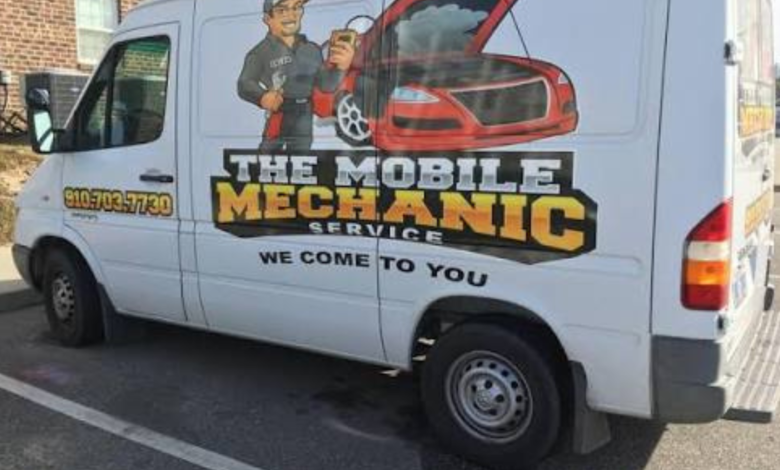
mobile mechanics near me Finding a reliable vehicle repair solution can be stressful, especially when a car breaks down unexpectedly or requires maintenance at an inconvenient time. Many drivers now search for mobile mechanics near me because these professionals provide a convenient alternative to traditional garages. Instead of arranging towing services or waiting days for an appointment, mobile mechanics bring expert automotive repairs directly to a customer’s location mobile mechanics near me.


mobile mechanics near me have transformed the way people approach vehicle maintenance and repairs. Whether a car is parked at home, stuck in a workplace car park, or experiencing problems on the roadside, a qualified mobile mechanic can often diagnose and repair many issues without requiring the vehicle to visit a workshop. This service saves time, reduces inconvenience, and provides a more flexible option for modern drivers mobile mechanics near me.
The popularity of mobile automotive services continues to grow because customers value convenience, transparent pricing, and personalised service. From routine maintenance such as oil changes and battery replacements to more complex diagnostics, mobile mechanics offer a practical solution for many vehicle owners. Understanding how these services work, what repairs they provide, and how to choose the right professional can help drivers make confident decisions.
What Are Mobile Mechanics and How Do They Work?
Mobile mechanics are trained automotive professionals who provide vehicle repair and maintenance services at the customer’s preferred location. Unlike traditional repair shops where customers must bring their vehicles to a garage, mobile mechanics operate using fully equipped service vehicles that allow them to perform many repairs on-site.
When searching for mobile mechanics near me, customers typically contact a local provider, explain their vehicle issue, and arrange a convenient appointment time. The mechanic arrives with the necessary tools and equipment to inspect the vehicle, identify the problem, and complete the repair whenever possible. This approach eliminates the need for towing services and reduces the waiting time associated with traditional garages.
Many mobile mechanics offer services for private vehicles, commercial fleets, and emergency roadside situations. Their flexibility makes them especially useful for drivers with busy schedules, people who cannot easily transport their vehicles, or those facing unexpected breakdowns. By bringing professional automotive expertise directly to customers, mobile mechanics provide a modern approach to vehicle care.
Benefits of Choosing Mobile Mechanics Near Me
One of the biggest advantages of choosing mobile mechanics near me is convenience. Traditional garages often require customers to arrange transportation, wait for available appointments, and spend hours without access to their vehicle. Mobile mechanics remove many of these challenges by completing repairs at a location that works best for the customer.
Another major benefit is time savings. Many minor repairs and maintenance tasks can be completed during a single visit, allowing drivers to return to their normal routine quickly. This is especially valuable for professionals, families, and business owners who cannot afford to spend an entire day at an automotive workshop.
Mobile mechanics can also provide competitive pricing because they often have lower operating costs compared with large repair facilities. Without expensive workshop overheads, some professionals can offer affordable labour rates while still delivering high-quality service. Customers also benefit from direct communication with the mechanic, allowing them to better understand the repair process and make informed decisions.
Common Services Provided by Mobile Mechanics
When looking for mobile mechanics near me, many drivers are surprised by the wide range of services available. Mobile mechanics can handle many common automotive repairs and maintenance tasks without requiring access to a traditional garage. Their services often include battery replacement, brake inspections, oil changes, engine diagnostics, and general vehicle servicing.
Battery-related issues are among the most common reasons customers contact mobile mechanics. A professional can test the battery, determine whether replacement is necessary, and install a new battery on-site. Similarly, mobile mechanics can assist with starter problems, alternator issues, and electrical system checks.
Many mobile mechanics also provide diagnostic services using advanced scanning equipment. Modern vehicles rely heavily on electronic systems, and professional diagnostic tools help identify warning lights, engine problems, and performance issues. In addition, some mobile mechanics offer brake repairs, fluid checks, spark plug replacement, filter changes, and pre-purchase vehicle inspections.
When Should You Call Mobile Mechanics Near Me?
There are many situations where contacting mobile mechanics near me can be a smart decision. If a vehicle refuses to start, experiences unusual noises, displays warning lights, or requires urgent maintenance, a mobile mechanic can provide immediate assistance without the need for towing.
Mobile mechanics are particularly useful during roadside emergencies. A driver who experiences a breakdown away from home may prefer calling a professional who can come directly to their location. In many cases, the mechanic can quickly diagnose the issue and complete a repair that allows the vehicle to continue operating.
They are also ideal for regular maintenance appointments. Instead of rearranging a busy schedule to visit a garage, vehicle owners can book services at home or work. This makes routine maintenance easier to manage and encourages drivers to keep their vehicles in better condition.
How to Choose the Best Mobile Mechanics Near Me
Choosing the right professional requires careful research. When searching for mobile mechanics near me, customers should consider experience, qualifications, reputation, pricing, and customer reviews. A trustworthy mechanic should have proven automotive knowledge and a history of providing reliable service.
Customer reviews can provide valuable insight into the quality of a mechanic’s work. Positive feedback regarding punctuality, communication, pricing transparency, and repair quality can help identify dependable professionals. However, customers should also look beyond reviews and consider whether the mechanic has experience working with their specific vehicle make and model.
It is also important to ask about pricing before booking a service. A reputable mobile mechanic should provide clear information about labour costs, diagnostic fees, and potential additional charges. Transparent communication helps prevent unexpected expenses and creates a better customer experience.
Mobile Mechanics vs Traditional Garages: Which Option Is Better?
Both mobile mechanics and traditional garages have advantages depending on the situation. Traditional workshops may be better for complex repairs requiring specialised equipment, large machinery, or extensive mechanical work. However, mobile mechanics provide unmatched convenience for many everyday repairs and maintenance services.
The biggest advantage of mobile mechanics is flexibility. Customers do not need to arrange transportation or wait in crowded repair shops. The mechanic comes directly to them, making vehicle maintenance more accessible and efficient.
For many common repairs, mobile mechanics provide the same professional expertise as traditional garages while offering additional convenience. The best choice depends on the type of repair, vehicle condition, and customer preferences.
Tips for Getting the Best Experience from a Mobile Mechanic
Before booking a service, customers should prepare important vehicle information, including the make, model, year, mileage, and description of the problem. Providing accurate details helps the mechanic bring the correct tools and replacement parts.
It is also recommended to choose a safe and accessible location for the repair. A flat area with enough space allows the mechanic to work efficiently and safely. Customers should also confirm appointment details and estimated costs before the service begins.
Regular maintenance is another important factor in reducing unexpected breakdowns. By building a relationship with a trusted mobile mechanic, vehicle owners can receive consistent support and keep their cars operating efficiently.
Conclusion: Are Mobile Mechanics Near Me the Right Choice?
The growing popularity of mobile mechanics near me reflects the changing needs of modern drivers. These professionals provide a convenient, flexible, and often affordable alternative to traditional repair shops. By bringing automotive expertise directly to customers, mobile mechanics save time and reduce the stress associated with vehicle problems.
Whether you need emergency assistance, routine maintenance, or vehicle diagnostics, a qualified mobile mechanic can provide valuable support. Choosing an experienced professional with positive reviews and transparent pricing ensures a reliable repair experience.
For drivers looking for convenience without compromising quality, mobile mechanics offer a practical solution that fits today’s fast-paced lifestyle.
FAQs About Mobile Mechanics Near Me
What services do mobile mechanics provide?
Mobile mechanics provide many services, including battery replacement, diagnostics, oil changes, brake repairs, maintenance checks, and roadside assistance.
Are mobile mechanics cheaper than traditional garages?
Mobile mechanics can sometimes be more affordable because they have lower operating costs. However, prices depend on the repair type, location, and mechanic’s experience.
Can a mobile mechanic fix my car at home?
Yes, many mobile mechanics perform repairs and maintenance services at customers’ homes, workplaces, or other convenient locations.
Are mobile mechanics qualified professionals?
Reputable mobile mechanics are trained automotive professionals with experience diagnosing and repairing different vehicle problems.
Do mobile mechanics handle emergency breakdowns?
Many mobile mechanics offer roadside assistance and can help diagnose or repair vehicles that break down unexpectedly.
How do I find reliable mobile mechanics near me?
Look for experienced professionals with positive customer reviews, transparent pricing, proper qualifications, and good communication.
Can mobile mechanics service all car brands?
Many mobile mechanics work on a wide range of vehicle brands, although it is best to confirm experience with your specific make and model before booking.
Is a mobile mechanic suitable for regular car maintenance?
Yes, mobile mechanics can perform many routine maintenance tasks, making it easier for vehicle owners to keep their cars in good condition.
You May Also Read: lexus is 350 for sale