Forestry Commission Camping: Prices, Locations, and Booking Guide UK 2026

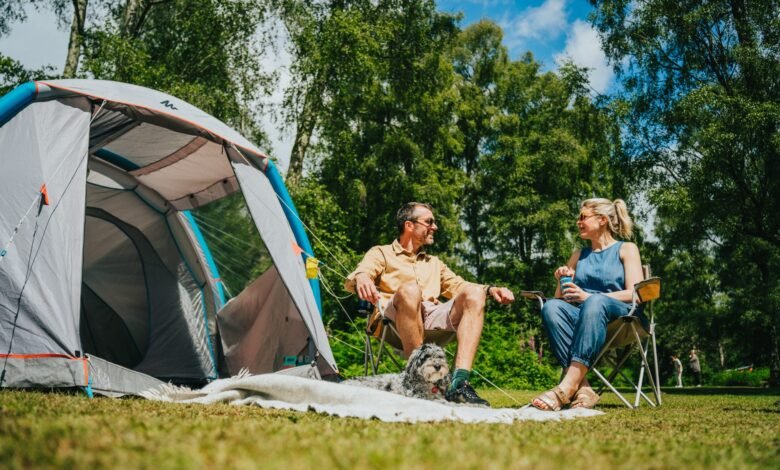
Forestry Commission camping is one of the most rewarding ways to experience the natural landscapes of the United Kingdom. It offers travellers a chance to stay within beautifully managed woodland environments, surrounded by wildlife, trees, and peaceful scenery. Unlike commercial holiday parks, this style of camping focuses on nature, simplicity, and accessibility, making it suitable for families, couples, and solo explorers seeking a calm outdoor escape.


In recent years, forestry commission camping has gained significant popularity across the UK due to its affordability and connection to nature. Visitors can enjoy well-maintained facilities while still feeling immersed in the wilderness. From the southern woodlands of England to the remote forests of Scotland, forestry commission camping provides a unique balance between comfort and adventure, making it a preferred choice for outdoor holidays in 2026.
What is Forestry Commission Camping
Forestry commission camping refers to designated campsites located within forest areas managed by official organisations such as Forestry England and Forestry and Land Scotland. These sites are carefully maintained to protect natural habitats while allowing visitors to enjoy overnight stays in safe and structured environments. The experience is designed to encourage appreciation of woodland ecosystems while offering practical camping facilities.
Forestry commission camping sites typically include essential amenities such as toilets, showers, waste disposal points, and marked pitches for tents or motorhomes. Some locations also provide electric hook-ups and easy access trails for walking and cycling. This combination of natural surroundings and basic comfort makes forestry commission camping an ideal option for those who want an authentic yet manageable outdoor experience.
Forestry Commission Camping Prices and Value
Forestry commission camping is known for offering good value compared to many private campsites and holiday parks across the UK. Prices generally vary depending on location, season, and available facilities. Peak summer months often see higher rates, while off-peak seasons provide more affordable options for travellers looking to enjoy nature on a budget without sacrificing quality or safety.
One of the key advantages of forestry commission camping is its transparent pricing structure. Additional costs may apply for electric hook-ups or extra vehicles, but overall expenses remain reasonable. Many families and groups choose forestry commission camping because it delivers a cost-effective way to explore the countryside while enjoying well-managed and scenic environments across England, Scotland, and Wales.
Forestry Commission Camping Sites Across the UK
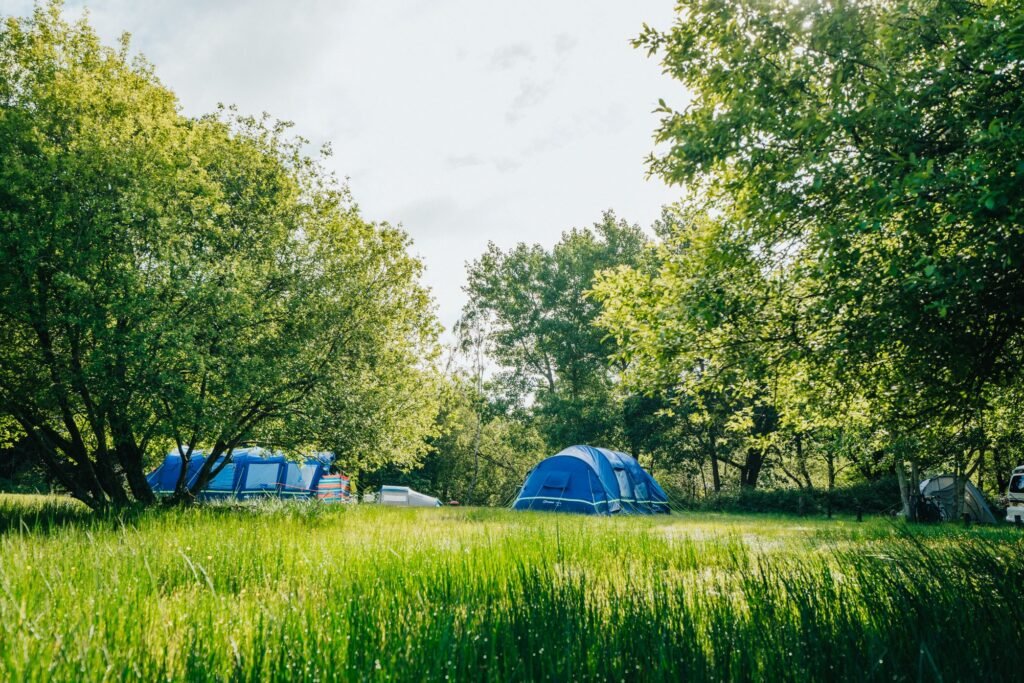
Forestry commission camping sites are spread across some of the most beautiful forested regions in the United Kingdom. Popular destinations include the New Forest in southern England, the Forest of Dean in Gloucestershire, and numerous remote sites in Scotland. Each location offers a different landscape, from dense ancient woodlands to open forest valleys filled with wildlife.
Forestry commission camping in the New Forest is especially popular due to its unique ecosystem, free-roaming ponies, and easy accessibility. Meanwhile, the Forest of Dean offers a more adventurous atmosphere with cycling trails and hiking routes. In Scotland, forestry commission camping provides a more remote and dramatic experience, with lochs, mountains, and vast woodland scenery creating a peaceful retreat for nature lovers.
Forestry Commission Camping Facilities and Experience
Forestry commission camping sites are designed to provide a balance between natural surroundings and essential comfort. Most sites include clean toilet blocks, hot showers, designated fire-safe areas, and clearly marked pitches. Some larger locations also offer visitor centres, small shops, or cafés nearby, ensuring that campers have access to necessary supplies during their stay.
The overall experience of forestry commission camping is focused on simplicity and relaxation. Visitors are encouraged to disconnect from busy urban life and enjoy outdoor activities such as hiking, birdwatching, cycling, and stargazing. This makes forestry commission camping particularly appealing to those seeking a peaceful break in nature while still having access to basic modern conveniences.
Forestry Commission Camping Booking Guide
Booking forestry commission camping sites is a straightforward process that can usually be completed online through official forestry websites. It is highly recommended to book in advance, especially during peak travel periods such as school holidays and summer months. Popular sites like the New Forest and Forest of Dean often fill quickly due to high demand.
When booking forestry commission camping, travellers can select pitch types, dates, and optional extras such as electric hook-ups. Some sites also offer flexible cancellation policies, making it easier to adjust travel plans if needed. Planning ahead ensures better availability and allows visitors to secure the most desirable locations within their preferred forest region.
Tips for Enjoying Forestry Commission Camping
To make the most of forestry commission camping, preparation is essential. Packing appropriate clothing for changing UK weather conditions is important, as forests can be cooler and wetter than open areas. Good-quality camping equipment, waterproof gear, and sturdy footwear can greatly improve comfort during the stay in woodland environments.
Another important aspect of forestry commission camping is respecting nature and following environmental guidelines. Visitors are encouraged to follow leave-no-trace principles, avoid disturbing wildlife, and keep campsites clean. Activities such as nature walks, cycling, and photography enhance the experience, allowing travellers to fully appreciate the beauty of UK forests.
Conclusion
Forestry commission camping continues to be one of the most popular outdoor holiday options in the United Kingdom. It offers a unique opportunity to stay within carefully managed forest environments while enjoying affordable pricing and essential facilities. Whether in England, Scotland, or Wales, each destination provides a different but equally rewarding experience.
In 2026, forestry commission camping remains a top choice for those seeking a peaceful escape into nature. With its combination of accessibility, scenic beauty, and well-maintained sites, it is an ideal way to explore the UK’s forests. From family holidays to solo adventures, forestry commission camping delivers a memorable and refreshing outdoor experience for all types of travellers.